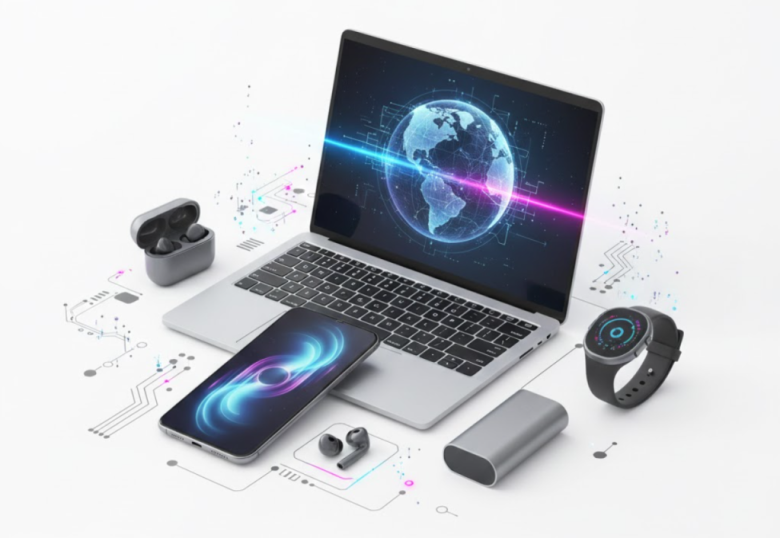
I remember the afternoon I walked into a big-box electronics store looking for a simple pair of wireless earbuds. Two hours later, I was standing in front of a wall of options with specifications I barely understood, price points that ranged from twenty dollars to three hundred, and a sales associate who seemed more interested in pushing the highest-commission item than understanding what I actually needed. I left with nothing but a headache and a newfound appreciation for how overwhelming consumer technology had become.
That experience was five years ago. Today, the gadget landscape is even more crowded. Every category, from smart home devices to wearable fitness trackers to portable power stations, offers dozens of competing products with overlapping features, conflicting reviews, and marketing claims that blur the line between genuine innovation and incremental improvement. Making informed purchasing decisions requires more than reading star ratings. It requires understanding what actually matters for your specific needs.
This article provides a practical framework for reviewing and choosing consumer technology and gadgets. We will explore the major categories defining the 2026 market, what to look for during evaluation, common purchasing mistakes, and how to build a gadget ecosystem that works together rather than creating digital clutter. Whether you are a tech enthusiast upgrading your setup or a casual buyer looking for reliable recommendations, this guide will help you shop smarter.
Why Gadget Reviews Matter More Than Ever
The consumer technology market has exploded in both volume and complexity. Global consumer electronics sales continue to grow, driven by innovations in artificial intelligence, connectivity, and miniaturization. At the same time, product lifecycles have shortened, with annual refreshes becoming the norm for many categories.
This creates a paradox. More choice should mean better options, but it often produces decision paralysis. I have watched friends delay purchases for months, paralyzed by the fear of buying the wrong thing or missing the next model. Others impulse-buy based on a single viral review, only to discover the product does not fit their lifestyle.
Good gadget reviews serve a critical function. They cut through marketing noise, identify genuine differentiators, and help match products to people. The best reviews are not just lists of features. They are judgments about value, reliability, and fit.
How to Evaluate Gadgets Like a Professional Reviewer
Before diving into specific categories, it is worth establishing a framework for evaluation. After years of testing products for personal use and professional recommendations, I have developed a set of criteria that consistently reveals which gadgets deserve attention.
Define the Problem, Not the Product
The most common mistake is starting with the gadget rather than the need. A friend once asked me to recommend the best smartwatch. When I asked what problem he wanted it to solve, he realized he did not need a smartwatch at all. He needed a device that tracked his swimming workouts and played music without a phone. A waterproof fitness tracker with onboard storage served him better than any smartwatch at half the price.
Write down what you want the gadget to do. Be specific. “Help me sleep better” is better than “I need a sleep gadget.” The more precise your need, the easier it is to evaluate whether a product actually addresses it.
Test Real-World Performance, Not Spec Sheets
Manufacturers love to list impressive specifications. Processor speeds, pixel densities, battery capacities, and sensor arrays look great on paper. But the user experience depends on how these components work together in daily use.
A smartphone with a massive battery might still deliver poor battery life if the screen and software are inefficient. A camera with high megapixel counts might produce worse photos than a lower-resolution competitor with better image processing. A laptop with a fast processor might throttle performance due to poor cooling.
When possible, test products in conditions that match your actual use. Read reviews that describe extended use rather than first impressions. Look for long-term reliability data rather than launch-day excitement.
Consider the Ecosystem
Gadgets do not exist in isolation. A smart speaker that does not integrate with your music service is frustrating. A fitness tracker that does not sync with your health app creates data silos. A laptop that does not connect to your existing peripherals requires expensive adapter purchases.
Before buying, map how the new gadget fits into your current digital life. Check compatibility, integration options, and whether the manufacturer has a history of supporting cross-platform functionality.
Calculate Total Cost of Ownership
The purchase price is just the beginning. Factor in accessories, subscriptions, replacement parts, and potential repair costs. A cheap printer with expensive ink cartridges costs more over time than a pricier model with affordable refills. A budget smart home device that requires a paid subscription for basic features becomes expensive quickly.
Major Gadget Categories in 2026
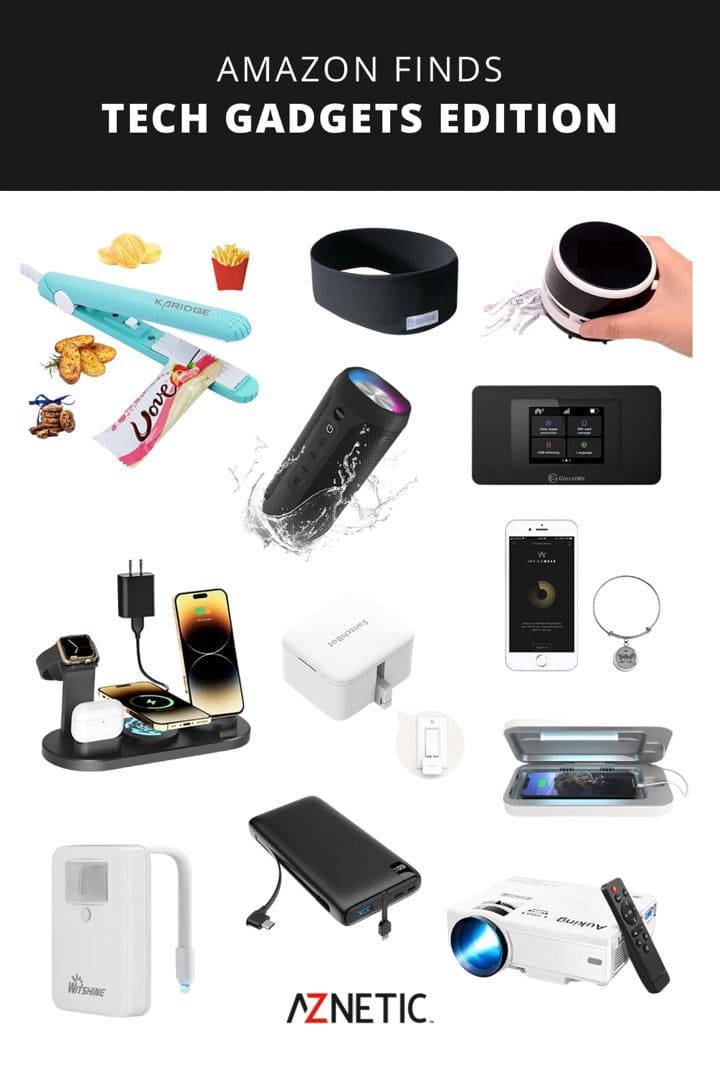
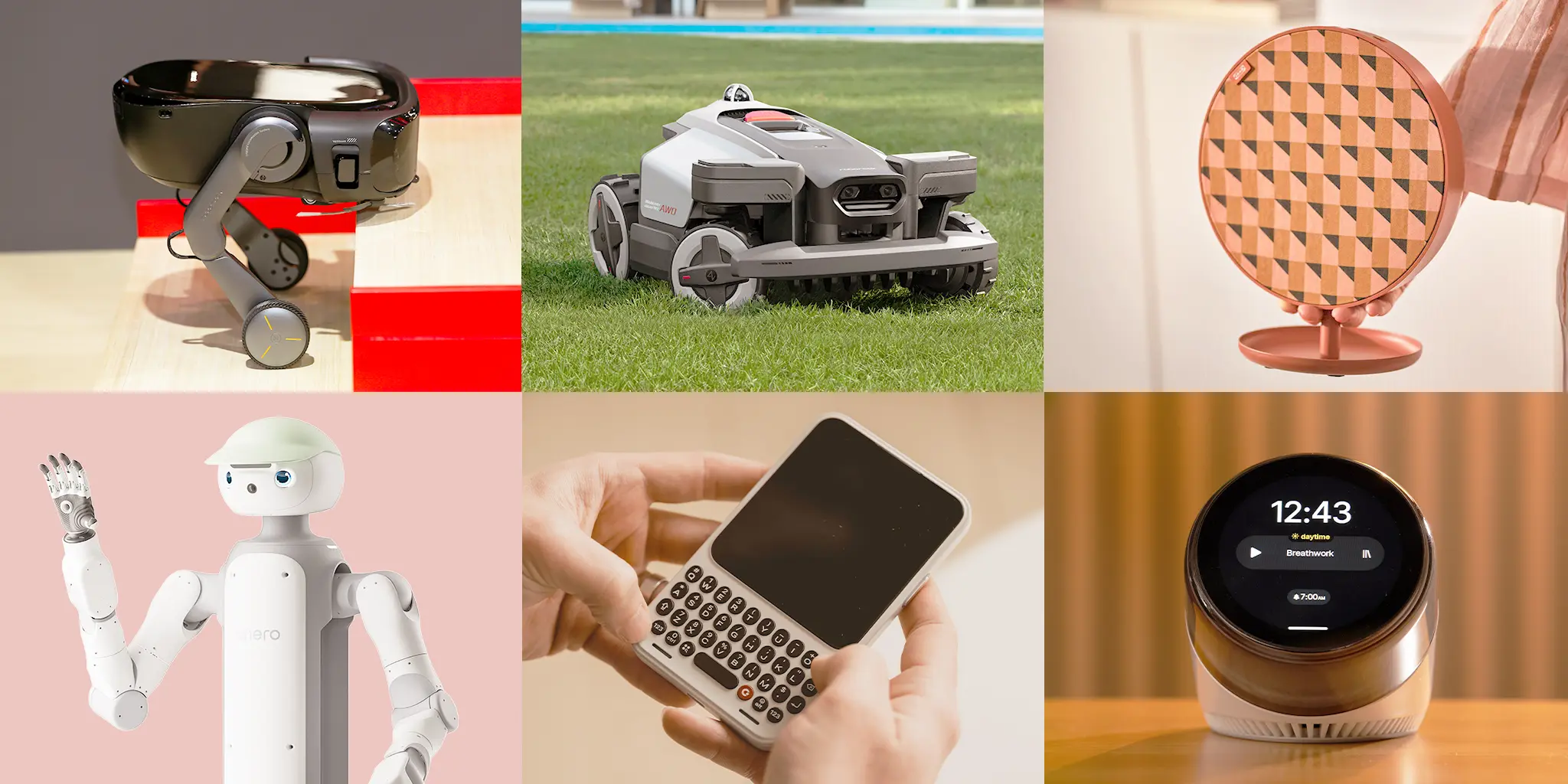
The consumer technology landscape spans dozens of categories. Here are the most significant areas where innovation is active and purchasing decisions are common.
Smart Home Devices
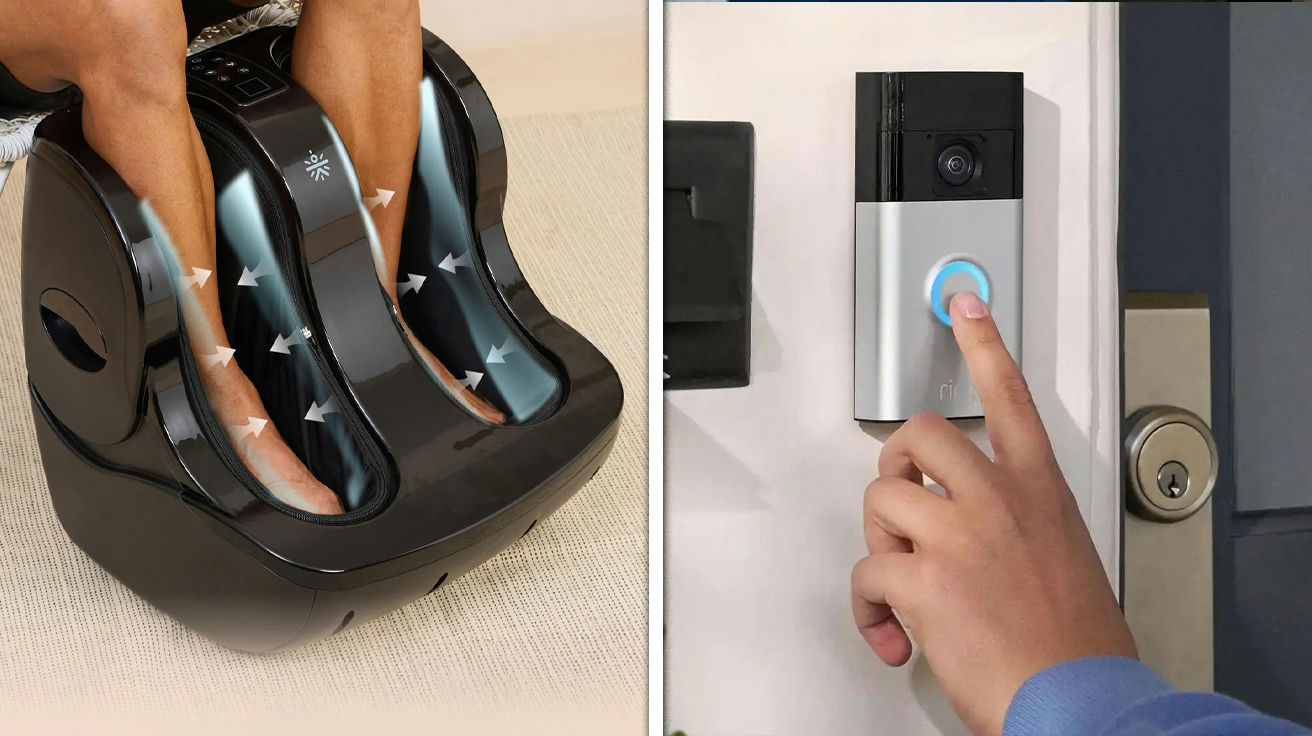
Smart home technology has matured from novelty to genuine utility. Modern smart home ecosystems include intelligent lighting, climate control, security systems, kitchen appliances, and cleaning robots that communicate with each other and adapt to household routines.
When evaluating smart home gadgets, prioritize reliability and interoperability. A device that works perfectly within one ecosystem but fails to connect with others creates fragmentation. Look for products that support mainstream standards like Matter, which promises cross-platform compatibility.
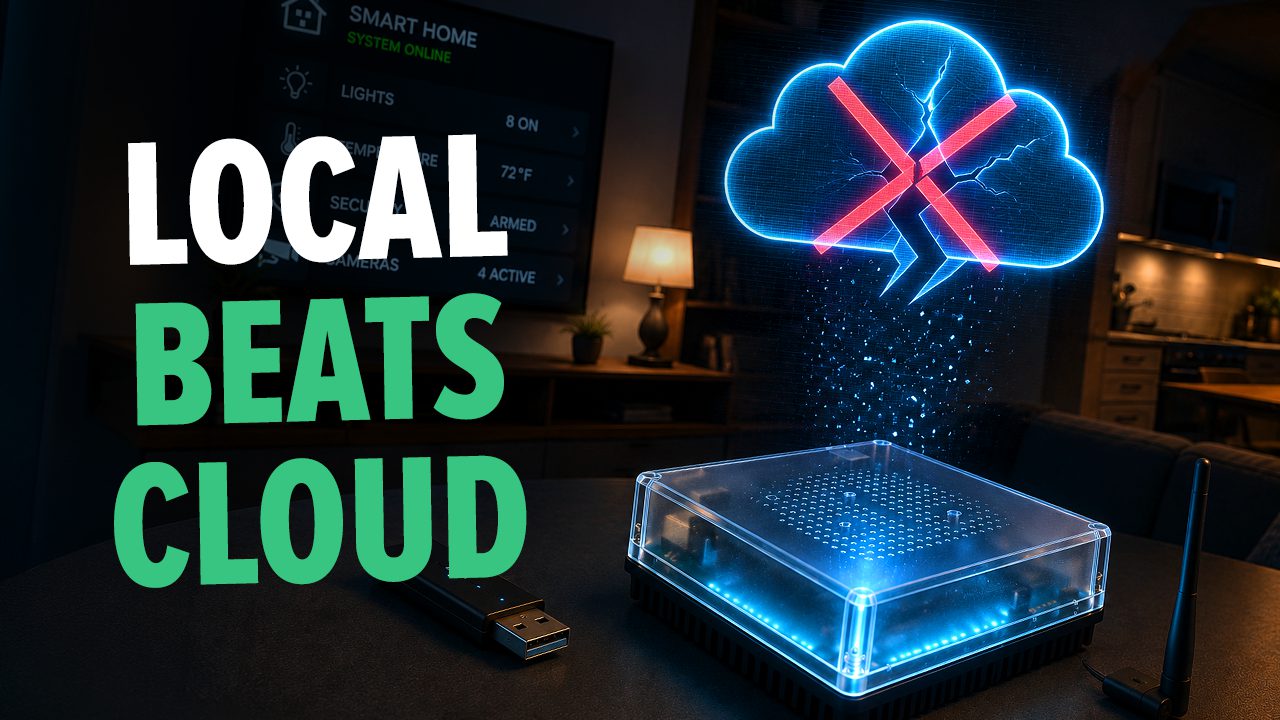
Privacy is another critical consideration. Smart home devices collect extensive data about your habits, schedules, and presence. Choose vendors with transparent privacy policies, local processing options, and clear data ownership terms. Some of the most interesting developments in this space are gadgets that offer full functionality without cloud dependency, keeping your data within your home network.
I recently helped a family evaluate smart home options for a new house. They initially wanted the most feature-rich system available. After discussing their priorities, we chose a simpler setup with local control, reliable hardware, and no subscription fees. Six months later, they reported higher satisfaction than friends who chose more complex systems requiring constant troubleshooting.
Wearable Technology
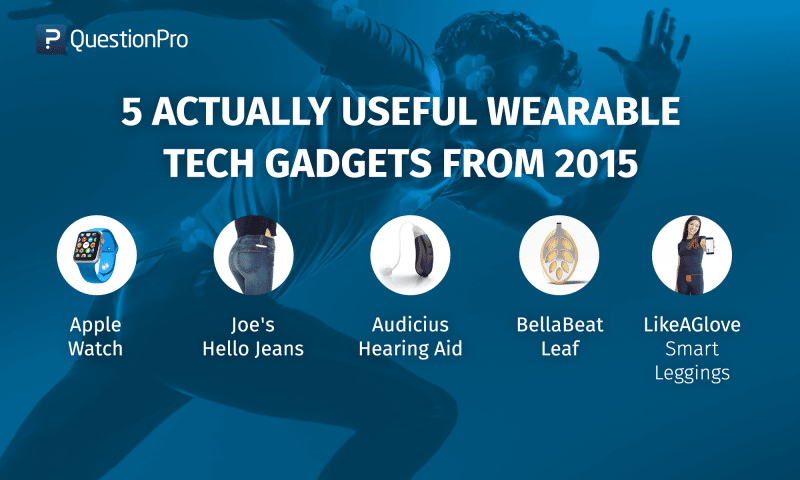
Wearables have expanded far beyond fitness trackers and smartwatches. The category now includes smart rings, augmented reality glasses, health monitoring patches, and even intelligent clothing. Each serves different purposes and appeals to different users.
For fitness enthusiasts, advanced wearables now offer detailed biometric tracking, including heart rate variability, blood oxygen levels, stress indicators, and recovery metrics. Some can detect early signs of illness or monitor chronic conditions. For professionals, smart glasses offer heads-up displays for navigation, translation, and hands-free information access.
The key evaluation criteria for wearables are comfort, accuracy, battery life, and data usefulness. A device that tracks everything but provides no actionable insights creates data overload without value. A device with poor battery life becomes a burden rather than a tool.
I wore a smart ring for three months to evaluate its sleep tracking capabilities. The hardware was elegant and unobtrusive, but the insights were generic and rarely led to behavioral changes. I switched to a simpler device that focused on one metric, sleep consistency, and provided specific, actionable recommendations. The simpler tool delivered more value because it respected the limits of what data alone can achieve.
Personal Audio and Video
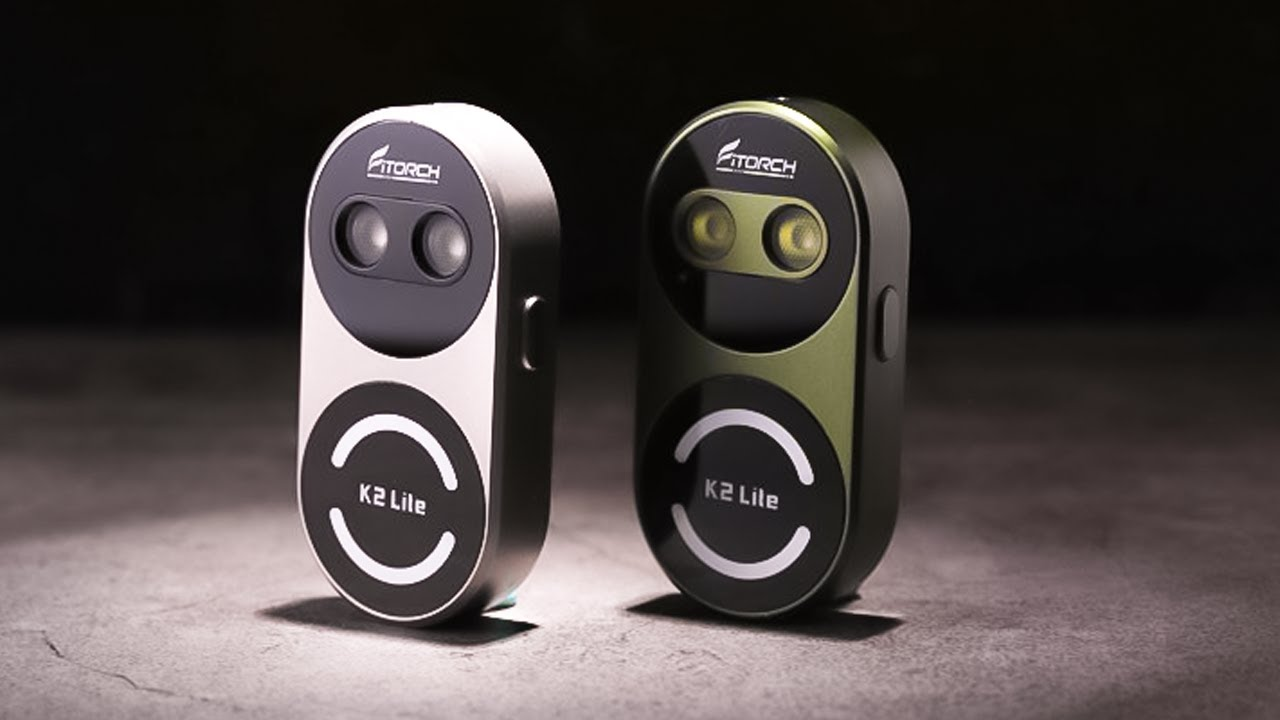
The personal audio market continues to evolve with advances in noise cancellation, spatial audio, and health integration. Premium earbuds now offer adaptive sound that adjusts to your environment, hearing health monitoring, and even real-time translation capabilities.
Video gadgets include portable projectors, action cameras, streaming devices, and content creation tools. The democratization of high-quality video production has enabled creators at every level to produce professional-looking content from portable equipment.
When evaluating audio and video gadgets, focus on the specific use case. Commuters need different features than studio musicians. Travel vloggers need different capabilities than home theater enthusiasts. Match the product’s strengths to your actual needs rather than pursuing the highest specifications.
Portable Power and Productivity
As our dependence on mobile devices grows, so does the need for reliable power and productivity tools. Portable power stations, solar chargers, and high-capacity battery packs have become essential for remote work, travel, and emergency preparedness.
Productivity gadgets include portable monitors, folding keyboards, stylus pens, and mobile docking stations that transform smartphones into laptop replacements. The best of these tools recognize that modern work happens everywhere, not just at a desk.
I invested in a portable power station after a storm left my neighborhood without electricity for two days. It kept my essential devices running and my home office functional. The peace of mind it provides is worth more than the purchase price, even though I use it only a few times per year.

The CES 2026 Landscape: What Is Actually New
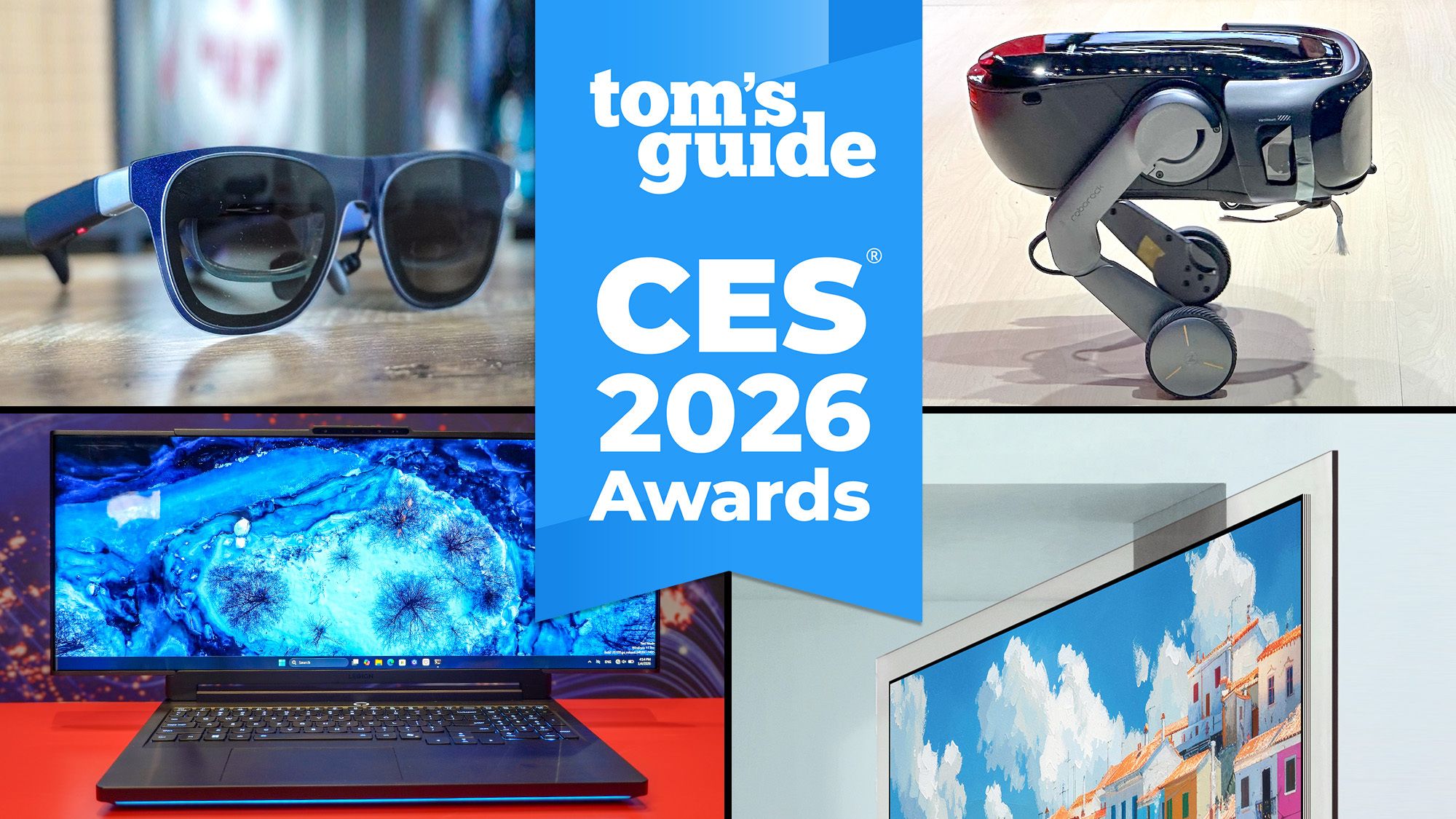
The annual Consumer Electronics Show remains the premier venue for gadget announcements. CES 2026 showcased several trends worth understanding.
AI-Integrated Everything
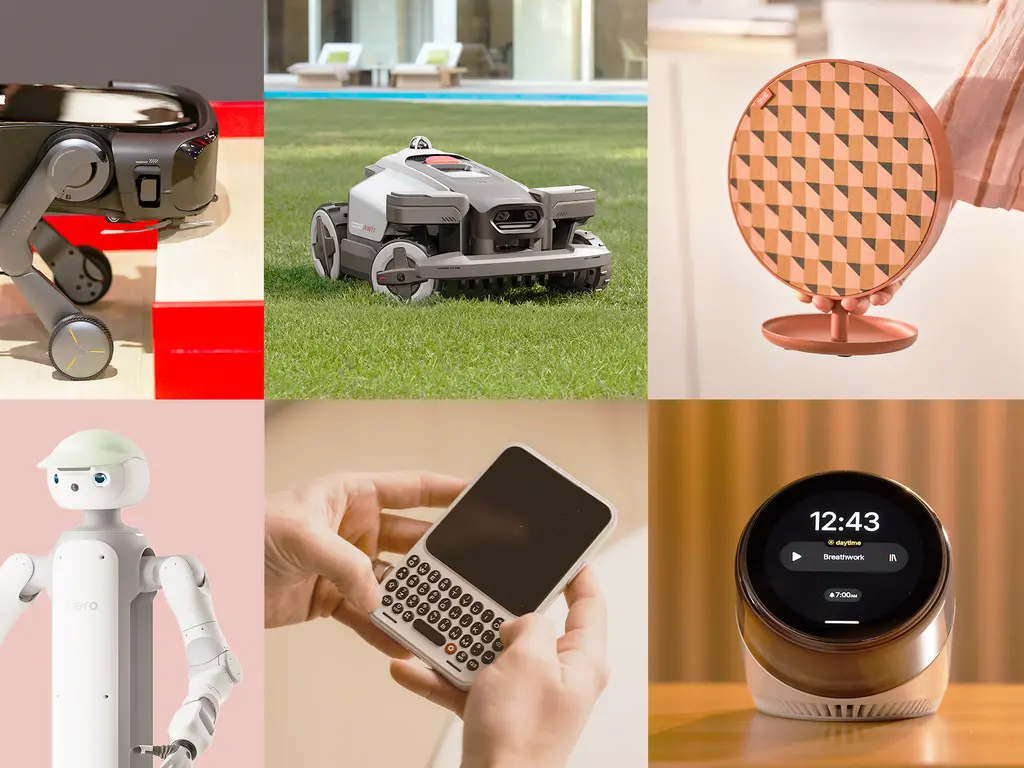
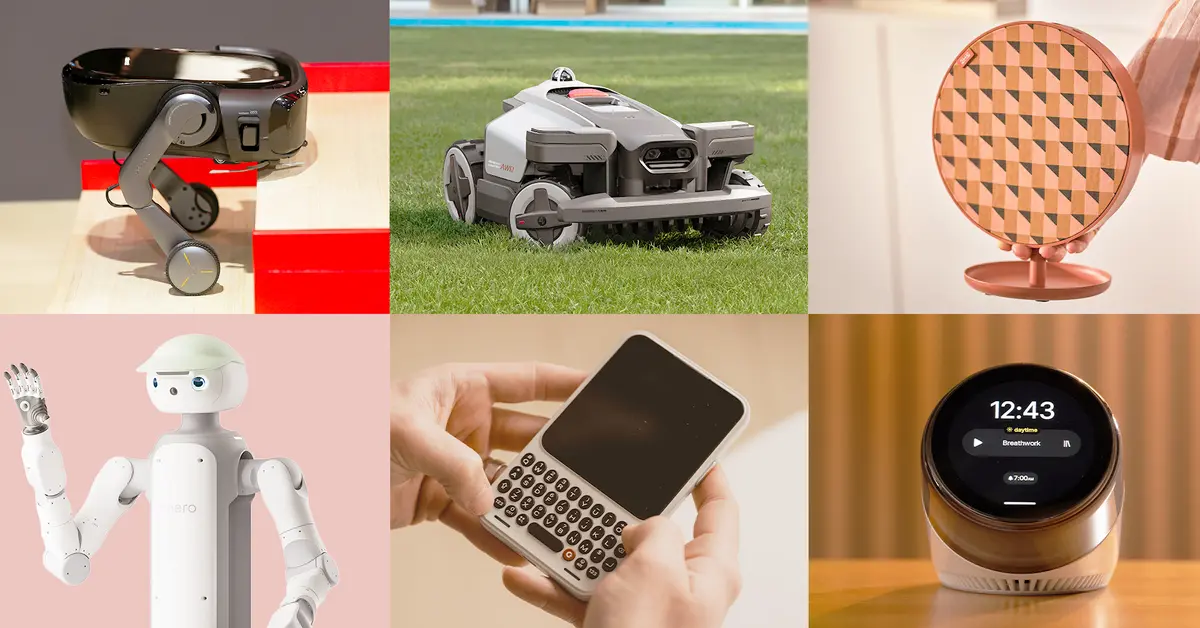
Artificial intelligence is now embedded in virtually every gadget category. Robotic assistants for home and garden. AI-powered health monitoring devices. Intelligent cooking appliances. Smart displays with conversational interfaces. The pattern is clear. AI is not a separate category but a feature layer across all consumer technology.
The key question for buyers is whether the AI integration delivers genuine value or merely adds complexity. A robot lawn mower that learns your yard’s layout is useful. A toaster with AI that simply adjusts timing based on bread type is probably overkill. Distinguish between meaningful intelligence and marketing dressing.
Sustainability as a Feature
Environmental consciousness is increasingly influencing gadget design. Products made from recycled materials, with repairable designs, and with energy-efficient operation are gaining market share. Some manufacturers now offer trade-in programs, extended warranties, and modular designs that allow component replacement rather than full device replacement.
This trend aligns with growing consumer demand for products that minimize environmental impact. When evaluating gadgets, consider durability, repairability, and end-of-life disposal as part of the value calculation.
Health and Wellness Focus
Post-pandemic awareness of personal health has driven innovation in wellness gadgets. Air quality monitors, water purification devices, circadian lighting systems, and stress management tools are becoming mainstream. These products blur the line between consumer electronics and medical devices, raising questions about accuracy claims and regulatory oversight.
Common Mistakes When Buying Gadgets
Even experienced buyers make costly errors. Here are the most frequent pitfalls.
Chasing Specifications Over Experience
A gadget with higher numbers on a spec sheet is not necessarily better to use. User interface design, build quality, software optimization, and customer support often matter more than raw hardware capabilities. A technically inferior product with excellent software can outperform a more powerful competitor.
Ignoring Long-Term Support
Some manufacturers release products and then abandon them, leaving users without software updates, security patches, or accessory availability. Research the company’s track record for supporting products after launch. A gadget that works well today but becomes insecure or incompatible in two years is a poor investment.
Buying for Aspirational Use
It is easy to imagine yourself using a gadget in ways you never actually will. The high-end camera for a photography hobby you have not started. The smart kitchen appliance for meals you rarely cook. The advanced fitness equipment for workouts you keep postponing. Be honest about your actual habits and buy for the person you are, not the person you hope to become.
Overlooking the Return Policy
Even thorough research cannot guarantee satisfaction. A generous return policy provides insurance against disappointment. Before purchasing, understand the return window, restocking fees, and whether opened products can be returned. This is especially important for gadgets that must be experienced to evaluate properly.
Neglecting Privacy and Security
Every connected gadget is a potential security vulnerability. Default passwords, unencrypted communications, and excessive data collection create risks. Change default credentials, update firmware regularly, and review privacy settings before integrating new devices into your home network.
Building a Coherent Gadget Ecosystem
The best gadget collection is not the largest. It is the most coherent. A well-integrated ecosystem where devices complement each other and share data creates more value than a random assortment of impressive individual products.
Choose a Primary Platform
Most people benefit from selecting a primary ecosystem, Apple, Google, Samsung, or another major platform, and building around it. This simplifies integration, reduces compatibility issues, and creates a consistent user experience. Supplement with specialized third-party devices only when they offer capabilities the primary platform lacks.
Prioritize Interoperability Standards
When cross-platform compatibility is necessary, prioritize devices that support open standards. Matter for smart home. Bluetooth LE Audio for wireless audio. USB-C for charging and data. These standards reduce lock-in and simplify mixing devices from different manufacturers.
Audit Regularly
Technology evolves, and so do your needs. Conduct a quarterly gadget audit. What devices are you actually using? What sits in a drawer? What creates friction rather than value? Sell, donate, or recycle unused gadgets. Consolidate overlapping functions. A lean, functional collection beats a cluttered inventory.
Budget for Replacement Cycles
Gadgets have finite lifespans. Batteries degrade. Software support ends. Components fail. Budgeting for planned replacement prevents emergency purchases and allows you to take advantage of sales and new releases on your own timeline.
Frequently Asked Questions
How do I know when to upgrade a gadget?
Upgrade when your current device no longer performs its essential functions reliably, when security support has ended, or when a new device offers a capability that genuinely improves your daily life. Avoid upgrading solely because a new model exists.
Are expensive gadgets always better?
Not necessarily. Premium products often offer better build quality, support, and refinement. But mid-range options frequently deliver the best value, offering core capabilities at a fraction of flagship prices. The best gadget is the one that meets your needs at the lowest appropriate price point.
How do I avoid buyer’s remorse?
Research thoroughly, define your needs clearly, test when possible, and buy from retailers with good return policies. Avoid impulse purchases and marketing-driven hype. Sleep on major decisions.
Should I wait for the next model?
Technology always improves, so waiting indefinitely means never buying. A useful rule is to purchase when a current model meets your needs and you can afford it, unless a confirmed successor with significant improvements is launching within weeks.
How do I dispose of old gadgets responsibly?
Many retailers and manufacturers offer recycling programs. Local e-waste collection events accept electronics. Some charities refurbish working devices for donation. Never throw electronics in regular trash due to environmental hazards.
Final Thoughts
The world of consumer technology and gadgets is vast, exciting, and occasionally overwhelming. The key to navigating it successfully is not to own the most or the newest, but to choose thoughtfully, use intentionally, and maintain a collection that genuinely serves your life.
My failed earbuds shopping trip taught me that the best purchase is not the one with the most impressive specifications. It is the one that solves your problem reliably, fits your budget, and integrates smoothly into your existing habits. That principle has guided every gadget purchase I have made since.
As you evaluate the ever-expanding landscape of consumer technology, stay curious but disciplined. Test generously, research thoroughly, and remember that the ultimate measure of a gadget is not what it can do, but what it enables you to do. The best technology fades into the background, supporting your goals without demanding your attention. That is the standard worth pursuing.