I remember standing in a technology exhibition hall three years ago, watching a demonstration of a quantum computer that occupied an entire room and required temperatures colder than outer space to operate. The presenter explained that this machine could solve certain problems in minutes that would take classical supercomputers thousands of years. I left impressed but skeptical, wondering if such technology would ever leave the laboratory. Today, quantum computing services are available through cloud platforms, pharmaceutical companies are using them to simulate molecular interactions, and the field has moved from theoretical curiosity to practical tool faster than almost anyone predicted.
That experience taught me something important about future technology. The innovations that seem distant and abstract often arrive sooner than we expect, and they rarely look exactly like the science fiction predictions we grew up with. The future of technology is not a single dramatic breakthrough but a cascade of interconnected innovations that gradually reshape how we live, work, and understand the world.
This article explores the major future technologies and innovations beyond artificial intelligence that are defining the next decade. We will examine quantum computing, advanced robotics, sustainable energy, space exploration, biotechnology, and the convergence of these fields. Whether you are an investor, a professional planning your career, or simply someone curious about what comes next, this guide will help you understand the technologies that will shape the future.
Why Future Technology Matters More Than Ever
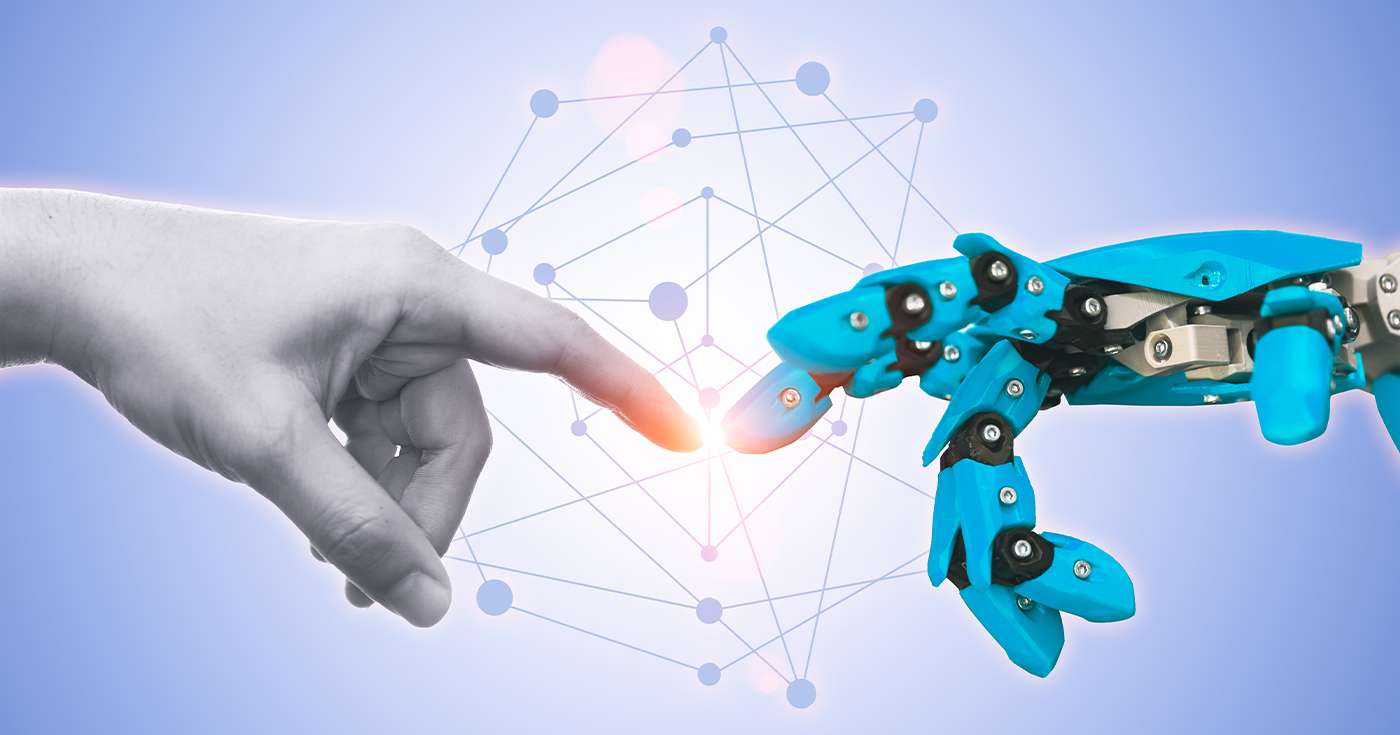
The pace of technological change has always been accelerating, but something feels different now. Innovations that once developed in isolation are now converging. Artificial intelligence enhances robotics. Quantum computing accelerates drug discovery. Biotechnology merges with information technology. These intersections create possibilities that no single field could achieve alone.
I spoke with a materials scientist who described how AI-designed materials, synthesized using advanced biotechnology, and manufactured with robotic precision are enabling products that were impossible five years ago. A battery with ten times the energy density of current technology. A solar panel that works efficiently in low light. A medical implant that integrates with the nervous system. None of these breakthroughs belong to a single discipline. They emerge at the boundaries.
Understanding future technology is no longer optional for anyone who wants to participate in the economy, influence policy, or simply make informed decisions about their own life. The technologies we discuss here will affect healthcare, employment, energy, transportation, and virtually every aspect of human civilization.
Quantum Computing: From Laboratory to Practical Application
Quantum computing represents one of the most profound shifts in computational capability since the invention of the transistor. Unlike classical computers that process information as bits, either zero or one, quantum computers use quantum bits or qubits that can exist in multiple states simultaneously through a phenomenon called superposition.
How Quantum Computing Works
The power of quantum computing comes from its ability to explore vast numbers of possibilities simultaneously. A classical computer searching through a million options must check them one by one. A quantum computer can evaluate many possibilities in parallel, providing exponential speedups for specific types of problems.
This capability is not universal. Quantum computers excel at optimization problems, molecular simulation, cryptography, and certain machine learning tasks. They are not faster at everyday computing like browsing the web or editing documents. The value lies in solving problems that are practically impossible for classical machines.
Current State and Near-Term Applications
Major technology companies and startups have made remarkable progress. Quantum processors with hundreds of qubits are now operational, though they remain noisy and error-prone. Error correction techniques are improving, and the field is approaching what researchers call quantum advantage, the point where quantum computers can solve useful problems that classical computers cannot.
Practical applications are already emerging. Pharmaceutical companies use quantum simulation to model drug interactions at the molecular level, potentially accelerating discovery by years. Financial institutions explore quantum optimization for portfolio management and risk analysis. Logistics companies investigate quantum algorithms for route optimization across complex supply chains.
I attended a presentation by a quantum computing researcher who described how her team had simulated a chemical reaction relevant to fertilizer production. The simulation required quantum capabilities because the molecular interactions were too complex for classical approximation. The result could lead to more efficient industrial processes that reduce both cost and environmental impact.


Advanced Robotics and Automation
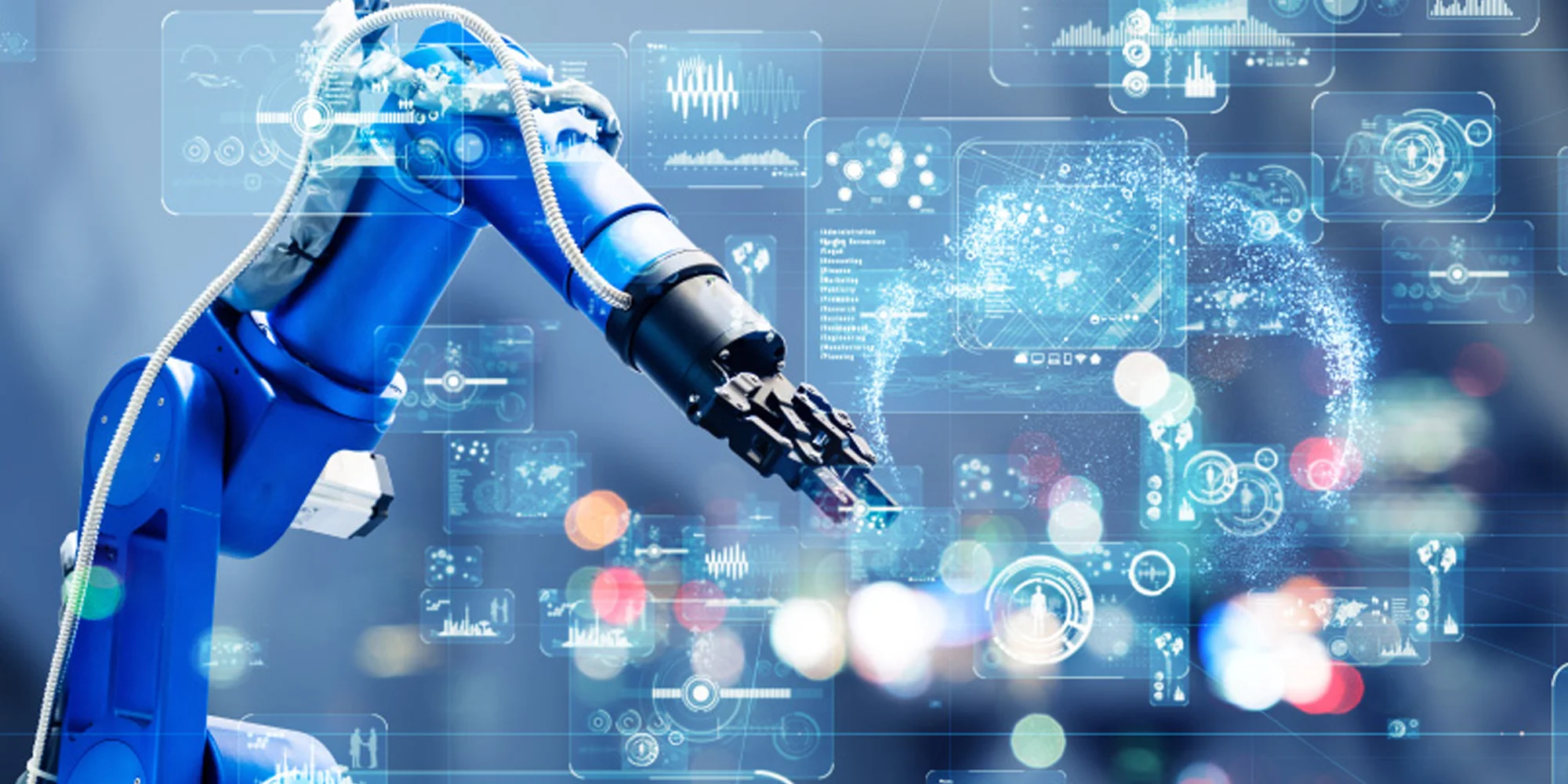
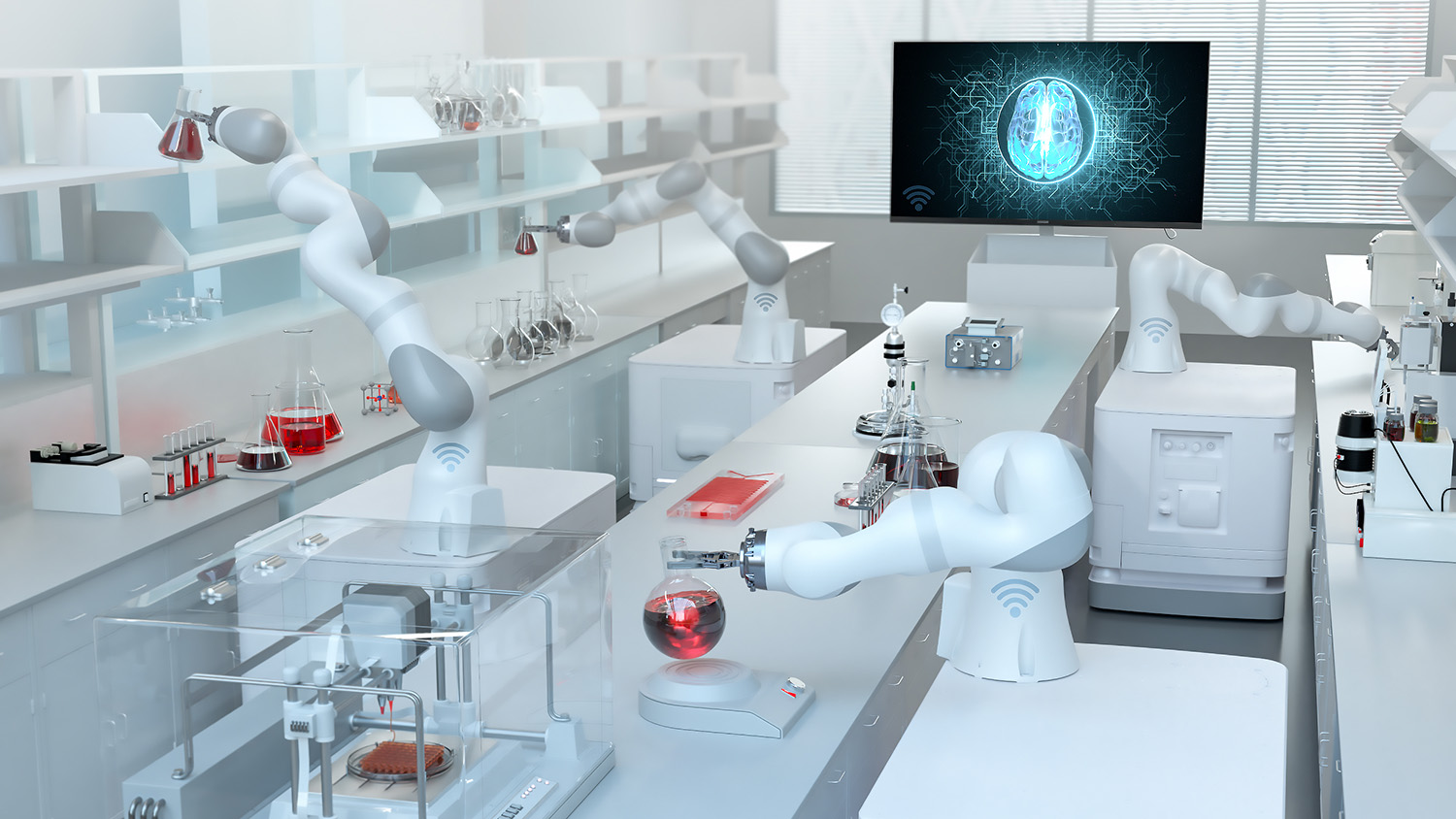
Robotics has evolved far beyond the factory floor. Modern robots combine mechanical precision with artificial intelligence, computer vision, and advanced sensors to operate in unstructured human environments.
Collaborative Robots and Human-Machine Partnership
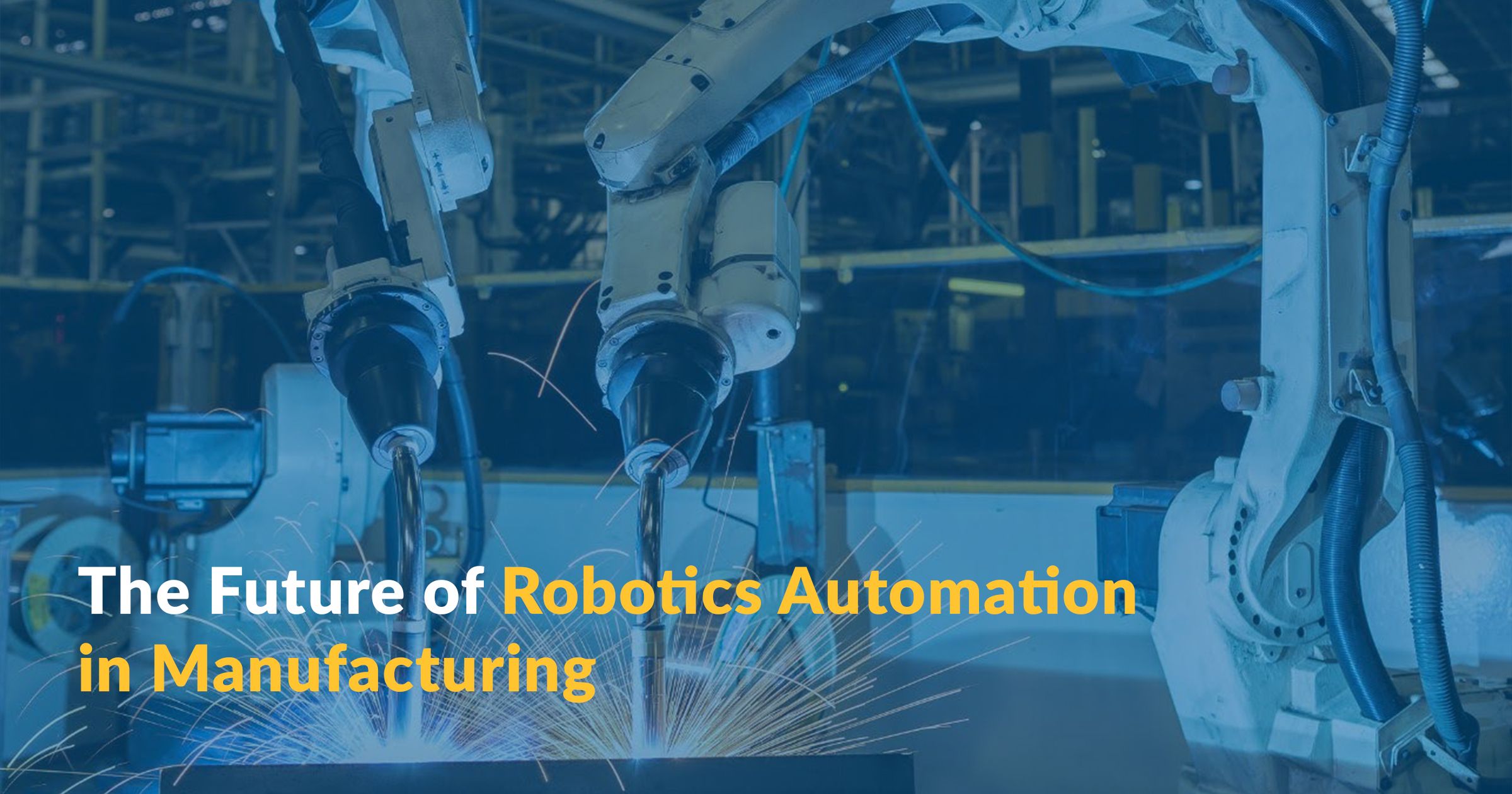
Collaborative robots, or cobots, are designed to work alongside humans rather than replace them. They can be trained through demonstration rather than programming, adapting to new tasks quickly. In manufacturing, cobots handle repetitive or physically demanding tasks while humans manage quality control and problem-solving.
I visited a small electronics assembly business where cobots had transformed operations. Previously, workers spent hours placing tiny components by hand, leading to fatigue and errors. Now cobots handle the precision placement while workers focus on inspection, testing, and customer relations. Productivity increased, injuries decreased, and job satisfaction improved because the work became more engaging.
Autonomous Systems Beyond Manufacturing
Robotics is expanding into logistics, agriculture, healthcare, and domestic environments. Autonomous delivery vehicles navigate city streets. Agricultural robots plant, weed, and harvest crops with precision that reduces chemical use. Surgical robots assist doctors with procedures requiring steady hands and microscopic accuracy. Domestic robots handle cleaning, security, and elder care.
The common thread is that these robots are not autonomous in the science fiction sense. They operate within defined parameters, require human oversight, and excel at specific tasks rather than general intelligence. This focused capability is what makes them practical today.

Sustainable and Renewable Energy Technologies
The transition to sustainable energy is one of the defining challenges of our era, and technology is making that transition increasingly feasible.
Next-Generation Solar and Wind
Solar panel efficiency continues to improve while costs decline. Perovskite solar cells, a new material technology, promise higher conversion rates and lower manufacturing costs than traditional silicon. Bifacial panels that capture light from both sides and floating solar installations on reservoirs are expanding where solar can be deployed.
Wind energy is evolving with larger, more efficient turbines and offshore installations that access stronger, more consistent winds. Some designs incorporate energy storage directly into the turbine structure, smoothing output and reducing grid integration challenges.
Energy Storage Breakthroughs
The intermittency of renewable energy remains a challenge. Next-generation battery technologies are addressing this. Solid-state batteries promise higher energy density, faster charging, and improved safety compared to lithium-ion. Flow batteries offer scalability for grid-level storage. Gravity-based storage systems use excess energy to lift weights or pump water, releasing it when needed.
I spoke with an energy researcher who described a prototype battery that could store a week’s worth of household energy in a unit the size of a refrigerator. If scaled commercially, such technology could eliminate the need for home backup generators and make off-grid living practical for millions.
Green Hydrogen and Alternative Fuels
Hydrogen produced using renewable electricity, known as green hydrogen, is emerging as a versatile energy carrier. It can power heavy transportation, provide industrial heat, and store energy for long periods. While currently expensive, costs are falling as electrolysis technology improves and production scales.
Synthetic fuels created by combining captured carbon dioxide with hydrogen offer a path to decarbonize aviation and shipping, sectors where battery electrification remains challenging due to weight and range requirements.
![The Future of Renewable Energy Technologies [2026-2030]](https://kimi-web-img.moonshot.cn/img/www.startus-insights.com/d535b8ebcebb4f6700ed2b5001c0fb8d7f40c873.webp)

Space Exploration and Commercialization
Space is transitioning from government monopoly to commercial frontier, with profound implications for technology, resources, and human expansion.
Reusable Rockets and Lower Launch Costs
The development of reusable rockets has dramatically reduced the cost of reaching orbit. What once cost hundreds of thousands of dollars per kilogram now costs a fraction of that, and prices continue to fall. This cost reduction is enabling a new generation of satellite constellations, space manufacturing, and exploration missions.
Satellite Constellations and Global Connectivity
Thousands of satellites now orbit Earth, providing global internet coverage, Earth observation, and navigation services. These constellations connect remote regions, monitor climate change, and support disaster response. The technology is also raising concerns about space debris and astronomical interference that the industry and regulators are working to address.
In-Space Manufacturing and Resources
Manufacturing in microgravity offers unique advantages for certain materials and pharmaceuticals. Proteins crystallize more perfectly. Fiber optic cables can be drawn with exceptional purity. These capabilities are moving from experiment to commercial production.
Longer term, asteroid mining and lunar resource extraction could provide materials that are scarce or environmentally costly to obtain on Earth. While still speculative, these possibilities are driving investment and technological development.
Biotechnology and Bio-Convergence
The intersection of biology and technology is producing innovations that blur the line between living systems and machines.
Gene Editing and Synthetic Biology
CRISPR and related gene editing technologies have matured from laboratory tools to therapeutic applications. Clinical trials are underway for treatments targeting genetic diseases, certain cancers, and inherited conditions. The precision and programmability of these tools continue to improve.
Synthetic biology goes further, designing and constructing new biological parts, devices, and systems. Engineered microorganisms can produce chemicals, materials, and fuels from renewable feedstocks. This field is essentially programming life, with applications in medicine, agriculture, and manufacturing.
Brain-Computer Interfaces
Devices that directly connect the human brain to computers are advancing from research to early clinical application. Current systems allow paralyzed individuals to control cursors, type, and even manipulate robotic limbs through thought alone. Future iterations may enable more seamless integration, potentially enhancing human cognition or treating neurological conditions.
I watched a demonstration where a person with a spinal cord injury used a brain-computer interface to manipulate a robotic arm with enough precision to pick up a grape. The movement was slow and deliberate, but the implications were staggering. What began as assistive technology for the disabled may eventually expand to broader human augmentation.
Personalized and Regenerative Medicine
Advances in genomics, stem cell research, and tissue engineering are moving medicine toward personalization and regeneration. Treatments tailored to an individual’s genetic profile promise greater efficacy and fewer side effects. Regenerative therapies aim to repair or replace damaged tissues and organs, potentially eliminating the need for transplants from donors.
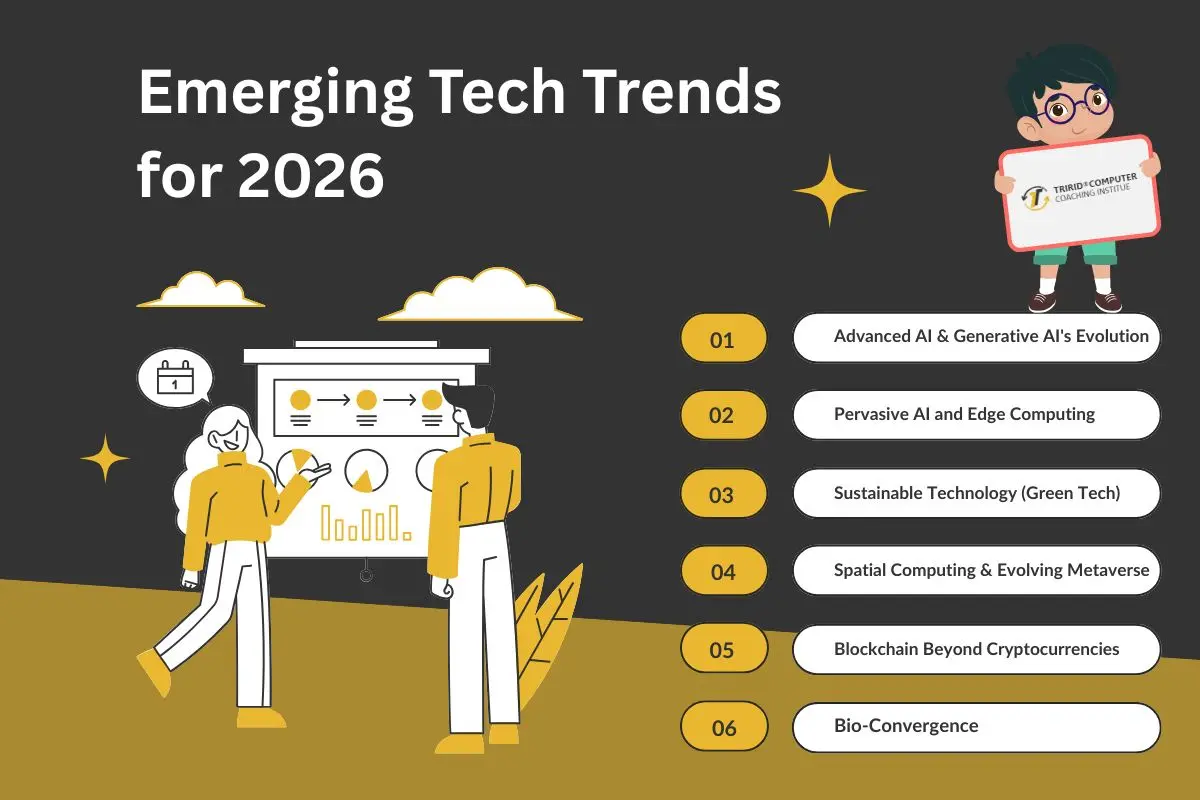
Emerging Technology Trends for 2026 and Beyond
Looking at the immediate horizon, several converging trends are reshaping how technology develops and deploys.
Advanced AI and Generative Evolution
Artificial intelligence continues to evolve beyond text and images into video, audio, and multimodal content creation. Agentic AI systems can pursue multi-step goals autonomously. The integration of AI with robotics, biotechnology, and materials science is creating hybrid innovations that no single field could produce.
Pervasive AI and Edge Computing
AI is migrating from centralized cloud servers to edge devices, smartphones, sensors, and appliances. This distributed intelligence reduces latency, improves privacy, and enables real-time decision-making in environments where cloud connectivity is unreliable or undesirable.
Sustainable Technology and Green Tech
Environmental sustainability is becoming a core design principle rather than an afterthought. From energy-efficient computing to biodegradable electronics to carbon-capturing materials, technology is increasingly directed toward reducing human environmental impact.
Spatial Computing and the Evolving Metaverse
The convergence of augmented reality, virtual reality, and physical space is creating new ways to interact with digital information. While the fully immersive metaverse remains aspirational, practical applications in training, design, remote collaboration, and entertainment are already delivering value.
Blockchain Beyond Cryptocurrencies
Distributed ledger technology is finding applications in supply chain transparency, digital identity, intellectual property protection, and decentralized finance. The focus has shifted from speculative tokens to practical infrastructure that solves real coordination problems.
Bio-Convergence
The integration of biological systems with digital and physical technologies is opening new frontiers in healthcare, agriculture, and materials science. Living sensors, biofabricated materials, and biological computing represent early stages of a profound technological shift.
The Convergence Effect: Why the Future Is Interdisciplinary
The most important insight about future technology is that the biggest breakthroughs happen at the intersections. Quantum computing plus AI equals new materials discovery. Robotics plus biotechnology equals medical interventions we cannot yet imagine. Space technology plus sustainable energy equals solutions to climate challenges.
I spoke with an innovation director at a major technology company who described their most successful projects as convergence initiatives. Teams of physicists, biologists, computer scientists, and designers working together on problems that do not fit neatly into any single discipline. The results were unpredictable and often more valuable than anything a single field could produce.
This convergence creates both opportunities and challenges. Professionals who develop expertise in multiple domains, or who can effectively collaborate across disciplines, will be best positioned to contribute to and benefit from future innovations. Educational systems and career paths that reward narrow specialization may need to evolve to support this interdisciplinary reality.
Common Mistakes When Thinking About Future Technology
Predicting the future is inherently uncertain, but some mistakes are avoidable.
Overestimating Short-Term Impact
Hype cycles create expectations that technologies will transform everything immediately. In reality, adoption lags behind capability due to infrastructure, regulation, cost, and human factors. The internet existed for decades before it reshaped commerce. Electric vehicles were invented in the nineteenth century but are only now reaching mainstream adoption.
Underestimating Long-Term Transformation
Conversely, it is easy to dismiss technologies that seem incremental or imperfect today. Early smartphones were clunky and expensive. Early solar panels were inefficient. Early gene therapy was risky. Technologies that survive their awkward adolescence often become transformative in ways that are obvious only in retrospect.
Treating Technology as Deterministic
Technology does not develop on its own trajectory independent of human choices. Regulation, investment, cultural values, and political decisions all shape which technologies thrive and how they are used. The future is not predetermined. It is negotiated.
Ignoring Unintended Consequences
Every technology creates both benefits and risks. Social media connected people but also enabled misinformation. Industrialization created prosperity but also pollution. Thinking critically about potential downsides, and designing mitigations from the beginning, is essential for responsible innovation.
Practical Tips for Engaging With Future Technology
If you want to position yourself to understand and benefit from technological change, here are practical steps.
Develop foundational literacy across multiple domains. You do not need to be an expert in quantum physics, biology, and computer science. But understanding the basic principles of each helps you recognize convergence opportunities and ask better questions.
Follow the funding and the talent. Venture capital flows and researcher migrations often signal where genuine breakthroughs are happening before they become mainstream news. Track where smart people and smart money are concentrating.
Experiment with early-stage tools. Many future technologies are available in limited form today. Use quantum computing simulators. Try augmented reality applications. Explore synthetic biology kits. Direct experience builds intuition that reading alone cannot provide.
Build diverse networks. The most interesting opportunities often emerge from conversations between people with different expertise. Cultivate relationships outside your primary field.
Maintain critical optimism. Be excited about possibilities without losing sight of risks. Be skeptical of hype without becoming cynical about genuine progress. The future is built by people who can hold both perspectives.
Frequently Asked Questions
Which future technology will have the biggest impact?
It depends on your perspective and timeframe. Artificial intelligence is already reshaping everything. Quantum computing may transform cryptography, materials science, and drug discovery within a decade. Biotechnology could revolutionize medicine and agriculture. Sustainable energy is essential for climate stability. The biggest impact may come from their convergence rather than any single technology.
How should I prepare my career for future technology?
Develop transferable skills like critical thinking, communication, and adaptability. Build technical literacy in your domain while staying curious about adjacent fields. Embrace continuous learning. The specific tools will change, but the ability to learn and integrate new capabilities will remain valuable.
Are these technologies safe?
No technology is entirely safe, and each carries specific risks. Quantum computing threatens current encryption. Biotechnology raises concerns about genetic modification. Autonomous systems create accountability challenges. Responsible development requires proactive risk assessment, regulation, and ethical frameworks.
When will these technologies be available to ordinary people?
Many are already here in limited form. Others will mature over the next five to fifteen years. The timeline varies by technology and application. Consumer applications typically lag behind industrial and research uses.
Should I invest in future technology?
Investment decisions depend on your risk tolerance, expertise, and financial situation. The technology sector offers significant opportunities but also volatility and uncertainty. Diversification, thorough research, and professional advice are essential.
Final Thoughts
The future of technology is not a distant abstraction. It is being built today in laboratories, startups, and research institutions around the world. Quantum computers are processing their first commercially relevant calculations. Robots are learning to work alongside humans. Renewable energy is becoming cheaper than fossil fuels. Space is opening to commerce. Biology is becoming programmable.
What strikes me most is not the individual technologies but their convergence. The boundaries between digital and physical, biological and mechanical, local and global are blurring. This convergence creates possibilities that exceed the sum of its parts, but it also creates challenges that no single discipline can solve alone.
The question is not whether these technologies will shape our future. They already are. The question is whether we will shape them in return, with the wisdom, ethics, and intention that responsible innovation demands. The future belongs not to those who predict it most accurately, but to those who engage with it most thoughtfully.
My advice is to stay curious, stay informed, and stay involved. The technologies we have explored here are not the domain of specialists alone. They affect everyone, and everyone has a stake in how they develop. Whether through your career, your investments, your votes, or your daily choices, you are already participating in building the future. The goal is to do so with eyes open and purpose clear.